


saddefiantpiper283
Add a review FollowOverview
-
Founded Date May 1, 1992
-
Sectors Construction / Facilities
-
Posted Jobs 0
-
Viewed 4

Company Description
What impact does 100% charging have on the health of EV batteries?
That’s longer than most drivers keep any kind of vehicle, whether it’s electric or gas. If you’re thinking about switching to an electric car, there’s a good chance one question keeps nagging at you: what happens when the battery wears out? The majority of contemporary electric car batteries are designed to last 15 to 20 years, or roughly 100,000 to 200,000 miles, before their capacity depletes to the point where it is worthwhile to replace them.
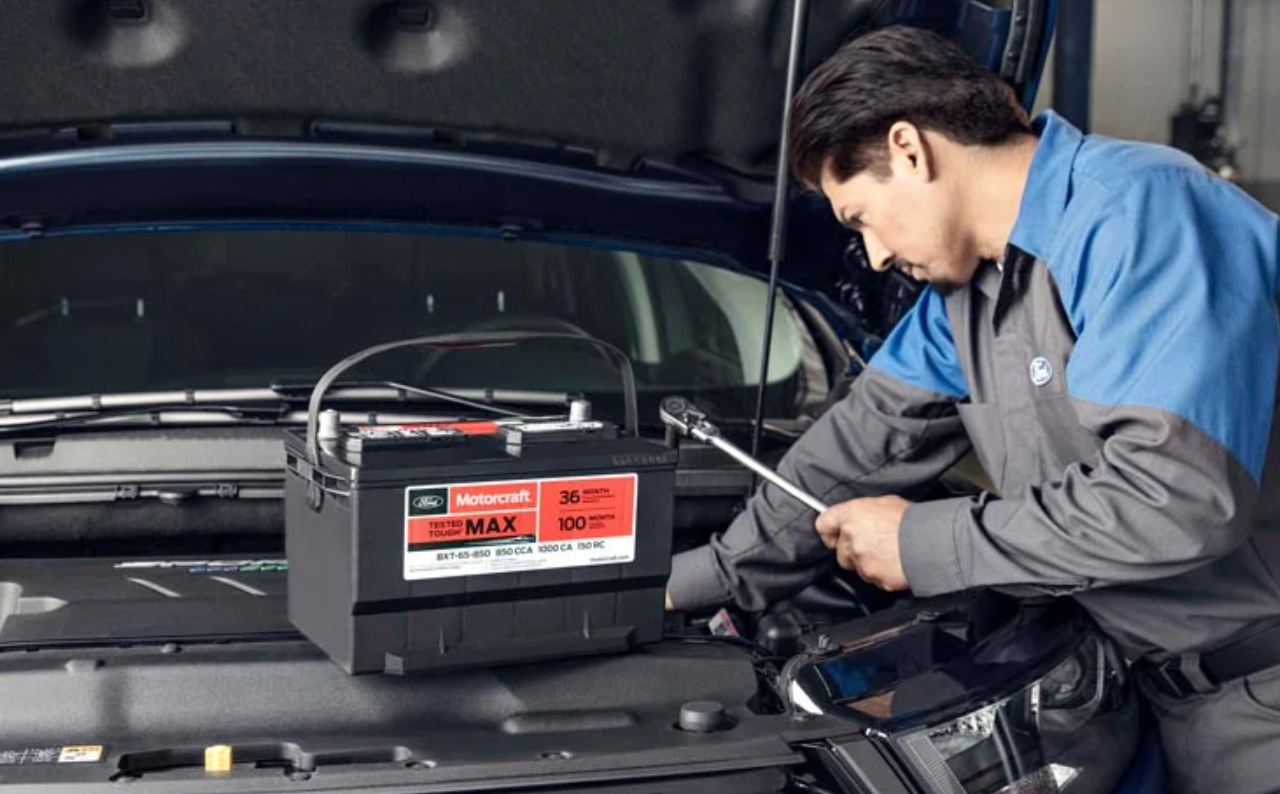 Batteries are still functioning well after hundreds of thousands of miles, according to taxi companies and rideshare drivers who put a lot of mileage on their EVs – sometimes ten times what the average commuter would accrue in a year. According to data collected by Tesla from its global fleet, batteries still have about 90% of their initial capacity after 200,000 miles of driving. Data from actual fleets supports it. For the average driver, that’s longer than most people keep any car, gas or electric.
That number goes beyond optimistic marketing as well. Keeping the battery’s charge level in a comfortable middle range, say between 20 and 80 percent, rather than constantly maxing it out to 100 or letting it drain to empty, is another small habit that pays off in the long run. Relying heavily on fast chargers for every top-up can add a bit more wear over time compared to slower home charging, though occasional fast charging on road trips is perfectly fine.
It also helps to know that battery technology keeps advancing at a rapid pace. This implies that a battery’s economic and environmental worth doesn’t stop when it is taken out of a car. Modern batteries are designed to maintain a significant portion of their performance for many years, even though capacity will inevitably decrease over time. In the end, an electric car battery should be seen as a significant part intended for long-term use rather than something that requires frequent replacement, much like the rest of the car.
Expect slightly more deterioration if the previous owner used fast chargers a lot in a hot climate. Even so, the difference is typically quite small. It’s important to observe how a used car charges. Contemporary packs are sturdy. They have undergone testing under every conceivable circumstance over millions of miles. Longevity is being increased by advancements in battery chemistry, autopowercare.com improved thermal management, and intelligent software that controls charging and discharging cycles.
Batteries intended to last more than 300,000 miles, or even a million, are already being tested by some manufacturers, suggesting that this could soon become the new standard. Compared to just five years ago, the batteries used in new EVs today are more robust and efficient, and this trend doesn’t appear to be abating.
